
Emerson Shops: How the Railroad Built Nash-Side Rocky Mount

In this post
Stand on the platform at the Rocky Mount train station and the county line runs right under your feet. The tracks slice the city north to south, and since 1871 they have been the exact boundary between Nash and Edgecombe counties: west of the rails is Nash, east is Edgecombe. That line is not trivia. It decides your tax bill, your school district (the Nash and Edgecombe districts split along the line in fall 2024), and where your deed is recorded. And the reason it follows the rails at all is the story of the railroad that built this side of the city.
The rails that put Rocky Mount on the map
The Wilmington and Raleigh Railroad, renamed the Wilmington and Weldon in 1855, completed its line from Wilmington to Weldon in 1840. It ran by way of Goldsboro and deliberately bypassed Raleigh. The Tar River gave the town waterpower; the railroad gave it freight. Within a generation the two met at the same few hundred yards of riverbank, which is why the city grew exactly where it did.
The Atlantic Coast Line grew out of that early network. It used the ACL name from 1871, was formally consolidated in 1900, and kept its headquarters in Wilmington until 1960. Its north-south main line through Rocky Mount, Wilson, and Fayetteville was double-tracked and kept to the highest standards in the system. And in 1871 the state legislature redrew the Nash-Edgecombe boundary from the Tar River to those tracks. The line has not moved since.
Emerson Shops: two thousand jobs at South Rocky Mount
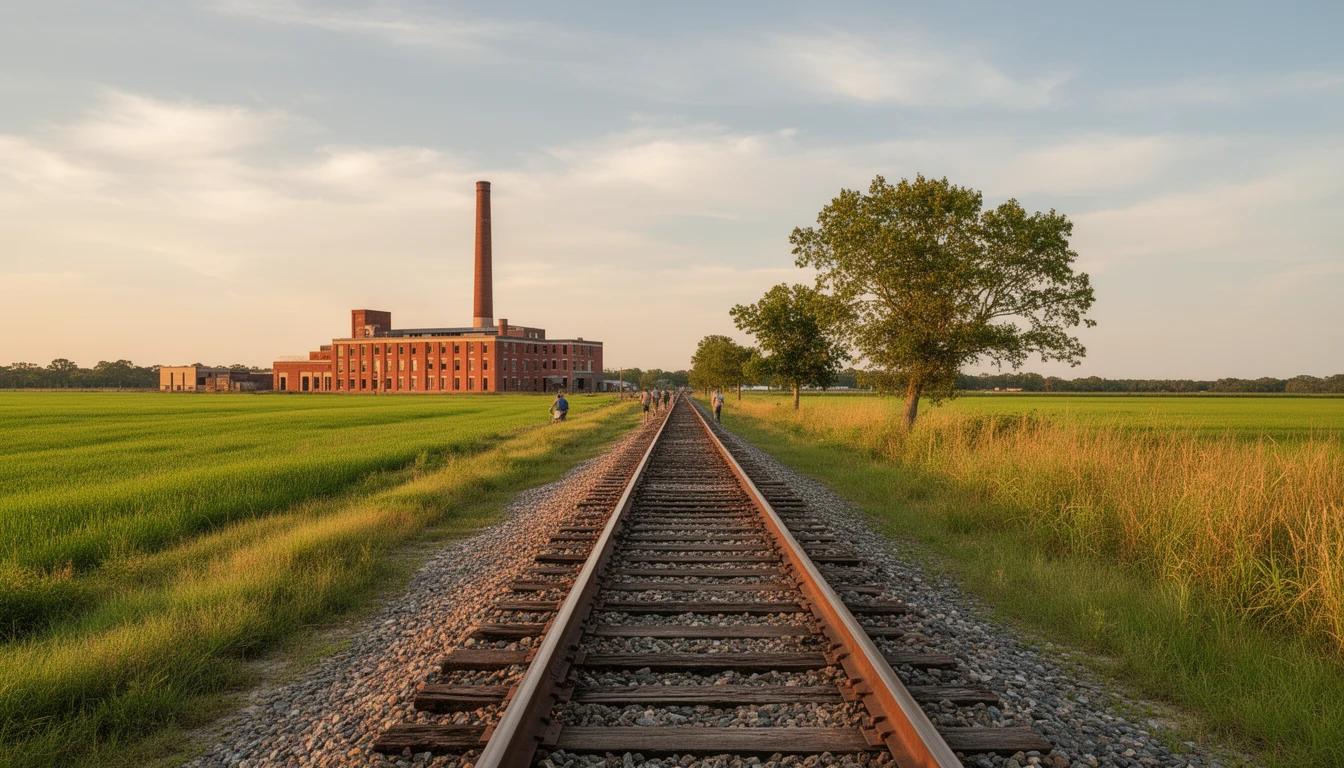
The ACL built its heavy repair complex at South Rocky Mount, south of the downtown depot along the main line. By the 1920s it was one of the Atlantic Coast Line’s two largest shop sites, paired with Waycross, Georgia; each employed about 2,000 people. The complex was named for Thomas Emerson, the ACL’s president from 1906 until his death in 1913, and its specialty was passenger cars: maintenance, upgrades, and interior refurbishment for the fleet that carried Florida-bound tourists through the Southeast.
Railroad paychecks remade the town. The City of Rocky Mount’s own historic district history ties the burst of construction from the late 1890s into the 1920s directly to the tobacco market and the ACL repair shops. Thousands of machinists, electricians, blacksmiths, brakemen, and engineers lived within walking distance of the shop complex.
The railroad housing still on the market
That housing stock is exactly what shows up in today’s listings on the Nash side.
Villa Place, three blocks west of Main Street, is the most intact turn-of-the-century residential subdivision in the city. The West End Land Development Company laid out the east half in 1891; the American Suburban Corporation platted the west half as Villa Place in 1913. The neighborhood filled with Queen Anne, Foursquare, Craftsman, Colonial Revival, and Neoclassical Revival houses built between 1900 and the 1940s, many of them by ACL employees. The landmark is Machaven, a brick Neoclassical Revival mansion from 1908. Villa Place has been a local historic district since 2000, which means exterior changes go through the city’s Historic Preservation Commission for a Certificate of Appropriateness.
West Haven, another National Register district on the west side, holds the same era of early-1900s bungalows and foursquares.
What is left of the railroad today
The shops themselves are gone. Railfan photographs from 1985 and 1986 show the complex in its final years, and none of the structures in those photos still stand. The heavy work consolidated after the 1967 merger with the Seaboard Air Line created the Seaboard Coast Line, and CSX has owned the network since 1986.
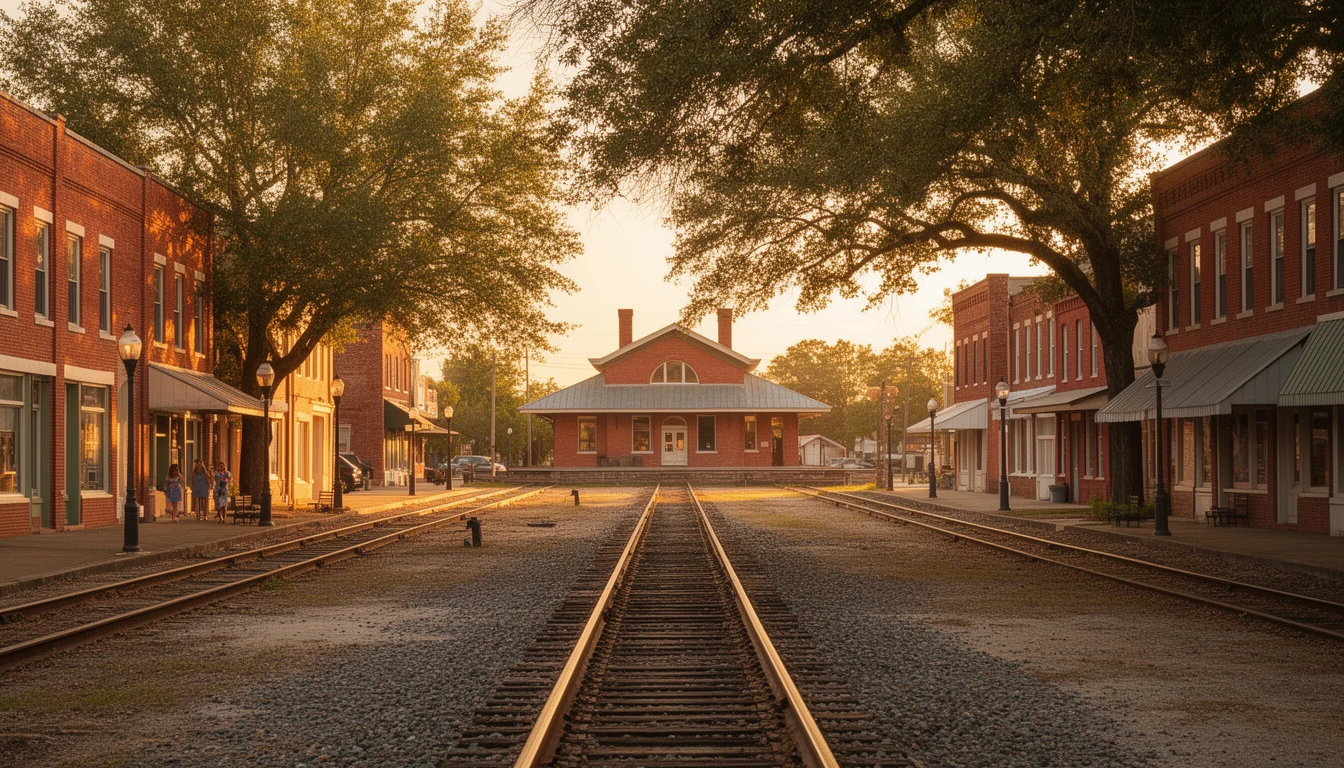
What remains matters. The depot, built in 1893 and rebuilt by the Atlantic Coast Line in 1911-12 and again in 1916, now operates as the Helen P. Gay Rocky Mount Historic Train Station with daily Amtrak service, and the Rocky Mount Railroad Museum runs inside it on Saturdays. The freight line is still busy: CSX operates the main line through town, and the Carolina Connector intermodal terminal opened in late 2021 just across the county line on the Edgecombe side, anchoring the region’s logistics corridor.
The honest trade-off
Buying railroad-era housing on the Nash side means buying character with a maintenance schedule. Expect century-old wiring, galvanized plumbing, and foundations that need a contractor’s eye before you offer, not after. In the local historic districts, plan for design review on exterior work. And the rule from the top of this post still applies: know which side of the tracks a house sits on, because a few hundred feet can mean a different county, a different tax rate, and a different school district.
The railroad built this side of the city, and the county line it created is still the single most useful fact in a Rocky Mount search. Use it that way.
If you are shopping the Nash side and want a walk-through with someone who reads old houses for a living, call or text Travis at (252) 202-4945. Start with the split-city west side chapter to see how the neighborhoods fit together.
Keep reading
7 Flood-Insurance Mistakes Tar River Buyers Shouldn't Make
Flood insurance on the Tar River: the 30-day wait, the $250,000 cap, contents left off the policy, and a discount Rocky Mount buyers never claim.
Nash County Closing Statement: Reading Every Line
A Nash County closing statement, line by line: excise tax, recording fees, prorated property taxes, and the lines worth questioning before you sign.
Nash County New Builds: Permits and What to Verify
Building in Nash County? Permits and inspections come from Rocky Mount city or the county, depending on the lot. What to verify on a new build.