9 Well-and-Septic Red Flags: Nash County Acreage

In this post
- 1. No septic permit on file
- 2. Permits that are older than the install
- 3. No well water test results
- 4. Coliform on the last test
- 5. The well sits too close to the septic system
- 6. Low casing or a missing sanitary cap
- 7. Drain-field signs you can see from the yard
- 8. Plumbing that behaves oddly inside
- 9. Nobody can tell you who installed it
- The honest trade-off
- The Bottom Line
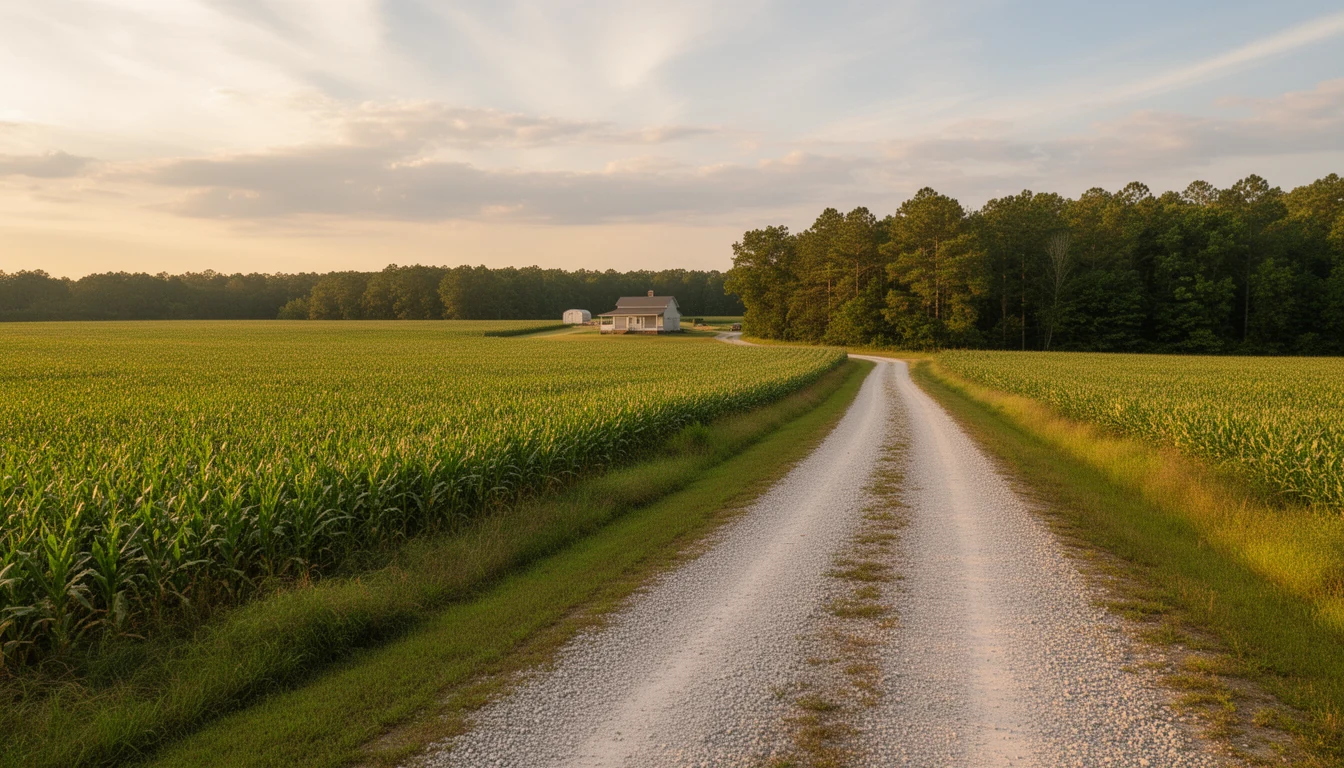
Most of Nash County’s acreage sits outside city limits, and that means the house you’re looking at almost certainly runs on a private well and a septic system. That’s not a problem. It’s a different inspection list, and it’s the list that decides whether you’re buying a $15,000 fix or a house that’s quietly fine for the next twenty years. Here are the nine red flags I check on every acreage property, in the order you should chase them.
1. No septic permit on file
The county keeps the record, and you want to see it. Nash County Environmental Health runs the sewage disposal and well inspection program, and the septic permit lists an approved bedroom count. Compare it to the house you’re buying. If the listing says four bedrooms and the permit says three, the system may be undersized for the way the house is being used, and the fix can mean a new drain field. A seller who can’t produce the permit at all is a seller who hasn’t done their homework, and you get to do it for them.
2. Permits that are older than the install
In Nash County, well and septic permits are valid for five years, and the system has to be installed within that window. An old permit sitting in a file drawer doesn’t prove anything was ever built. The question isn’t “is there a permit on record,” it’s “does the county have a final approval for the system that’s actually in the ground?” If the answer takes more than a phone call to pin down, keep digging.
3. No well water test results
North Carolina requires new private wells to be sampled for bacteriological quality and 17 inorganic parameters before they’re put into service. That lab report exists for any properly permitted well. Ask for the most recent copy. If the seller says “we’ve never tested it,” that’s not a reason to walk, it’s a reason to make a clean test a condition of the deal during your due diligence period.
4. Coliform on the last test
If the test came back positive, read the fine print. Total coliform means a possible contamination source somewhere; fecal coliform means warm-blooded animal contamination, which is a stronger signal. A positive result isn’t automatically fatal: wells get shocked, retested, and cleared all the time. But you want to see the retest, not hear a promise. No lab report after a positive? That’s the flag.
5. The well sits too close to the septic system
NC’s well construction rules call for at least 50 feet between the well and the septic tank and 100 feet from the drain field. Wells drilled before those rules get tighter can be grandfathered, but “grandfathered” just means nobody made them move it. It doesn’t mean the separation is safe. Measure the actual distance on the ground, don’t trust the plat. If the wellhead is uphill of the drain field and close to it, that’s the worst combination.
6. Low casing or a missing sanitary cap
The well casing should extend at least a foot above grade, and it needs a vermin-proof cap. A casing cut off near ground level lets surface water, leaves, and whatever crawls around the yard straight into your drinking water after a rain. This one is a two-second visual check at the listing appointment. If the cap is missing or the casing is buried in weeds, everything upstream of it deserves more scrutiny.
7. Drain-field signs you can see from the yard
Soggy spots over the drain field, grass that’s a suspiciously brighter green in one stripe, standing water after a dry week, a sewage smell near the tank: these are the classic failure signatures. Walk the yard while you’re there, not just the house. A drain field that’s failing is a five-figure replacement and a landscaping redo, and it’s exactly the kind of thing a 20-minute tour won’t show you if you don’t go looking.
8. Plumbing that behaves oddly inside
Slow drains in more than one fixture, gurgling when the washer empties, or a toilet that burps after a shower: all of those point back to the septic system, not to a lazy plumber. And run the water long enough to notice the pressure. A well pump that cycles on and off rapidly, or water that runs rust-colored at the tap, means the well side needs a professional look before you’re committed.
9. Nobody can tell you who installed it
North Carolina requires licensed contractors for well and septic work, and the county’s records show who pulled the permit and who signed off. “We don’t know” is an answer you’ll hear more than you’d like, and it’s a red flag in itself. Unpermitted, unrecorded work is where the expensive surprises live: a septic system buried in the wrong place, a well that never got its final inspection, a repair that made it worse.
The honest trade-off
None of this is a reason to avoid acreage. Well and septic is normal life for most of Nash County outside the city limits, and plenty of buyers specifically want it: no monthly water and sewer bill, no city rate, and a house on land instead of a lot. The trade is that you own the systems, and owning the systems means knowing them before you close. The water bill you don’t pay is the maintenance you inherit.
The Bottom Line
Run these nine checks before you write an offer, and acreage in Nash County is one of the best values in the region. Skip them, and you’re gambling on the two most expensive systems in the house. Travis pulls well and septic records, water test results, and the county’s permit history on every acreage property he shows, so you’re not doing this alone. Call or text him at (252) 202-4945, or schedule a chat, and he’ll walk you through what’s on file before you commit. The schools and services chapter covers the rest of what living outside the city limits means for your monthly bills.
Figures and program details are accurate as of August 2026; well and septic rules and county rates can change, so verify current requirements with Nash County Environmental Health before relying on them. NC Real Estate Broker, License #334264. Equal Housing Opportunity.
Keep reading
7 Flood-Insurance Mistakes Tar River Buyers Shouldn't Make
Flood insurance on the Tar River: the 30-day wait, the $250,000 cap, contents left off the policy, and a discount Rocky Mount buyers never claim.
Nash County Closing Statement: Reading Every Line
A Nash County closing statement, line by line: excise tax, recording fees, prorated property taxes, and the lines worth questioning before you sign.
Nash County New Builds: Permits and What to Verify
Building in Nash County? Permits and inspections come from Rocky Mount city or the county, depending on the lot. What to verify on a new build.