
Who Actually Employs Nash County: The Real Anchors

In this post
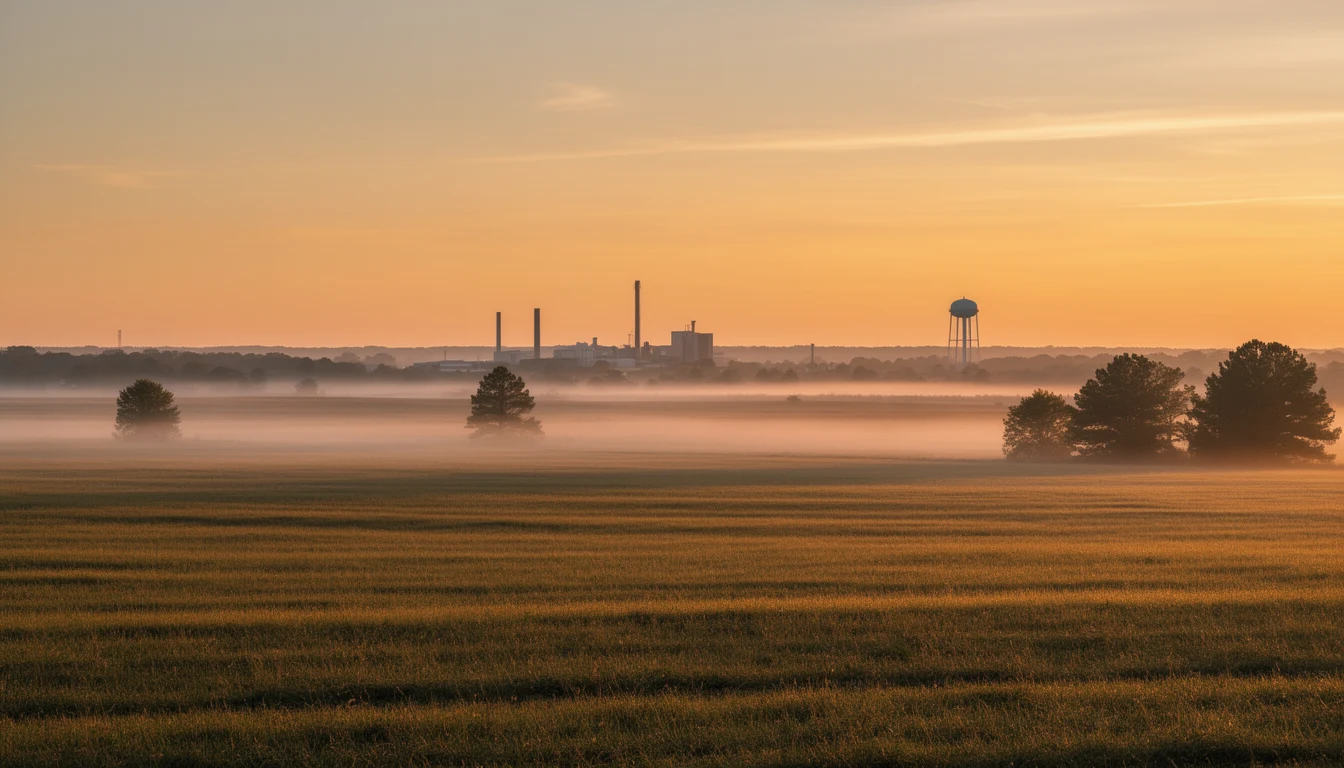
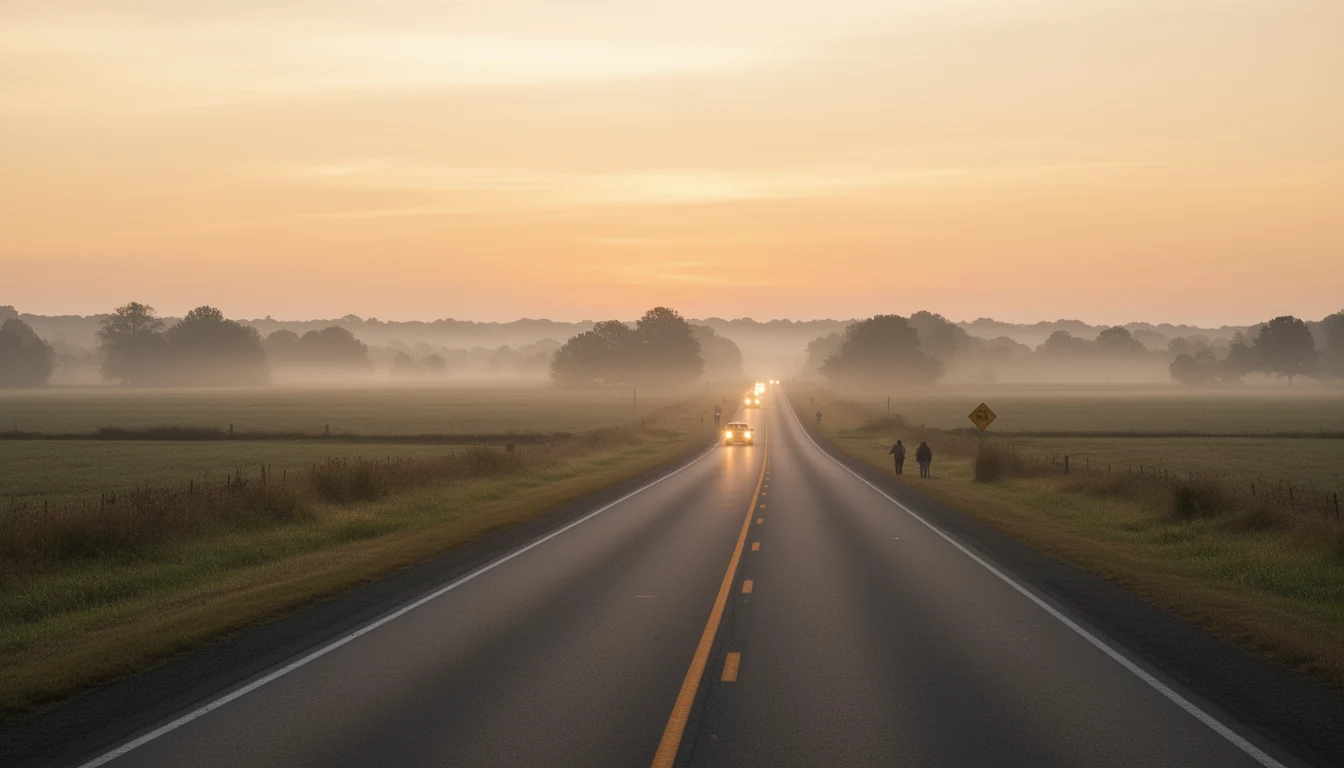
Just before six on a weekday morning, the headlights line up on North Wesleyan Boulevard outside Pfizer’s Rocky Mount plant. Another shift is heading in. That traffic is the closest thing this county has to a market report, because Nash County’s housing market doesn’t run on speculation. It runs on paychecks: a hospital, a pharmaceutical plant, a diesel engine plant, and a rail terminal. Here’s who actually employs people here, and what the mix means when you’re house hunting.
The healthcare anchor: UNC Health Nash
The hospital sits on the Nash side, on Curtis Ellis Drive, and it has anchored the county since 1971, when it opened as Nash General Hospital. It became a UNC Health affiliate in April 2014, and today the system counts five licensed hospitals totaling 395 beds. For a buyer, that matters twice over. A hospital is a large, non-cyclical employer: its nurses, techs, and support staff keep buying and renting through downturns that hit manufacturing harder. And it keeps a full-service emergency department in a county where that isn’t guaranteed anymore.
The plant on US-301: Pfizer Rocky Mount
Most people outside the industry have never heard of this plant, and most hospitals in America depend on it. Pfizer’s Rocky Mount site has operated since 1968 on 250 acres, and it produces about 25% of Pfizer’s sterile injectables (the medicines given by IV or shot in hospitals), which comes to nearly 8% of all sterile injectables used in U.S. hospitals. The site employed more than 3,200 people at the time of the July 2023 tornado; 2024 reporting, after a round of roughly 210 layoffs, put the number closer to 2,700. When that EF-3 tornado tore through Dortches and Battleboro and badly damaged the warehouse, Pfizer restarted production about ten weeks later and rebuilt rather than relocating. That tells you something about how durable this payroll is.
Diesel engines at Whitakers
Drive US-301 north and you pass the Cummins Rocky Mount Engine Plant, roughly 1.3 million square feet on a 375-acre campus in northern Nash County. It employs about 2,000 people building mid-range diesel and natural gas engines. In January 2024 Cummins announced a $580 million investment in the plant, adding about 80 jobs on top of the existing base, with the Nash County Commission approving a 50% tax abatement. A manufacturer doesn’t put that kind of capital into a site it plans to wind down.
The distribution corridor, with an honest ledger
The freight story is real, but it needs county-line honesty. The CSX Carolina Connector, a roughly $160 million intermodal terminal where containers move between trains and trucks, opened in late 2021 on Battleboro Road, on the Edgecombe side of the line. Its three electric cranes can move about 110,000 containers a year, and it benefits the whole Rocky Mount region, but it is not in Nash County. Two more entries belong on the same ledger. The QVC distribution center, about 2,000 jobs, burned in a five-alarm fire in December 2021 that killed one worker, and QVC announced in 2022 that it would not rebuild. And the Kingsboro megasite east of town landed a $1.4 billion, 1,000-job battery plant announcement in August 2024, only for the company to cease operations before breaking ground. Announcements are not payrolls. When you hear a big jobs number attached to this region, ask whether anyone is actually on the payroll yet.
The steady mid-tier
Below the headline employers, the base gets wider. Nash Community College, established in 1967, runs about 2,600 curriculum students and supplies much of the hospital, Pfizer, and Cummins technical workforce. NC Wesleyan University on US-301 North adds a private university campus, and Draka EHC on North Church Street, part of Italy’s Prysmian Group, has made elevator cable here for decades.
What the mix means for your home search
Two practical things follow. First, shift work shapes commutes: a hospital and two large plants run around the clock, so a lot of driving happens at 6 a.m. and 6 p.m. shift changes, and a 15-minute drive stays a 15-minute drive. Second, the northern corridor is closer than it looks: Whitakers, Dortches, Red Oak, and the Battleboro-adjacent Nash side put you minutes from Cummins and Pfizer.
The honest trade-off is this: the mix is diversified but not bulletproof. The QVC fire showed how fast 2,000 jobs can vanish. Buy a house you can afford on your own math, not on the assumption that any single employer is permanent.
The Bottom Line
When you buy in Nash County, you’re buying into a paycheck economy with real anchors: a hospital that has been here since 1971, a plant that survived a tornado, and an engine maker betting $580 million on the future. That’s a stronger base than most small counties can claim. Keep the ledger honest: verify current numbers with the employers themselves, and buy on your own math.
Keep reading
7 Flood-Insurance Mistakes Tar River Buyers Shouldn't Make
Flood insurance on the Tar River: the 30-day wait, the $250,000 cap, contents left off the policy, and a discount Rocky Mount buyers never claim.
Nash County Closing Statement: Reading Every Line
A Nash County closing statement, line by line: excise tax, recording fees, prorated property taxes, and the lines worth questioning before you sign.
Nash County New Builds: Permits and What to Verify
Building in Nash County? Permits and inspections come from Rocky Mount city or the county, depending on the lot. What to verify on a new build.