7 Costs Beyond the Down Payment in Nash County

In this post
- 1. The due diligence fee, which is not earnest money
- 2. The inspections you pay for directly
- 3. Appraisal, origination, and the lender’s line items
- 4. Title work and the attorney
- 5. Prepaids and escrow, which look like fees but aren’t
- 6. Acreage costs: survey, plat, well, septic
- 7. The first-year costs nobody quotes
- What you don’t pay
- Bring the number you were quoted
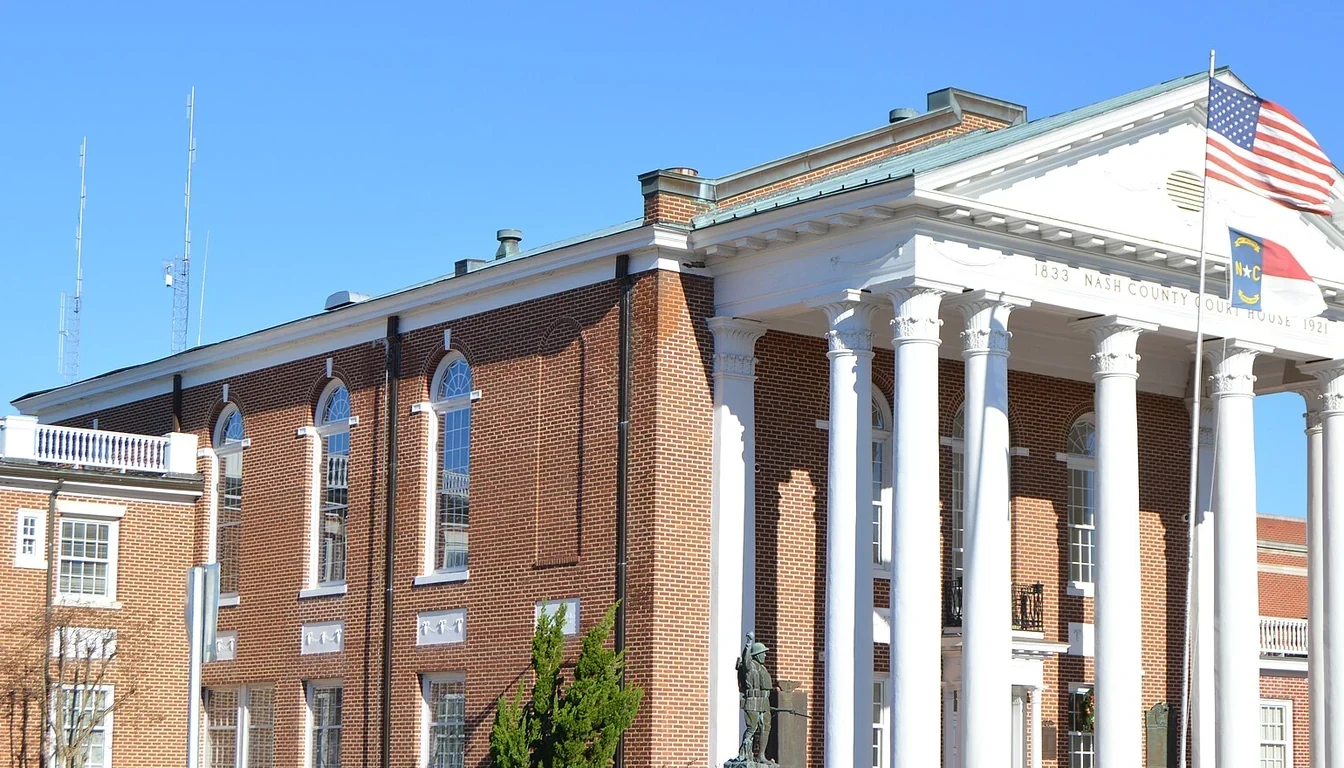
The closing table for a Nash County house is usually a small room in Nashville, a few blocks from the 1921 courthouse, with a window that looks out at wet brick. November mornings there smell like rain on hot asphalt and coffee from somebody’s paper cup. The seller’s agent is checking a phone. The attorney is sorting pages. And somewhere in that stack is a number that surprises almost every first-time buyer: the wire amount, which is not the down payment.
Nothing on this list is exotic. All seven items are ordinary costs of buying a house in this county. What makes them worth a post is that they arrive at different times, from different people, and only one of them shows up on the good-faith estimate your lender hands you at the start.
1. The due diligence fee, which is not earnest money
North Carolina’s Offer to Purchase and Contract, the standard Form 2-T, has a line most states don’t: a due diligence fee, paid by the buyer to the seller when the contract is signed. It buys your right to inspect the property, test what you want tested, and walk away for any reason during the due diligence period.
Three things about it that matter. It goes to the seller, not into escrow. It is non-refundable if you terminate, with narrow exceptions like a material breach by the seller. And if you close, it is credited back to you at the settlement table, so on a successful purchase it costs you nothing extra.
The practical question is how much to put there against how long a period you need. On a rural parcel in western Nash County, the health department’s calendar for a well and septic evaluation can eat two or three weeks by itself. Price the fee for the period you actually need, not the period that looks aggressive on paper.
2. The inspections you pay for directly
Home inspection, wood-destroying insect report, radon, and on some houses a structural engineer. These are paid at the time of service, out of pocket, and they cannot be rolled into the loan. On Rocky Mount’s older Nash-side neighborhoods, most of the housing stock is mid-century or earlier, and pier-and-beam crawlspaces hold moisture the way a sponge holds water. Get under the house.
Order the inspection in the first week of the due diligence period. The reports are what you use to renegotiate or to walk, and a report that lands on day nine of a fourteen-day period is worth nothing at the table.
3. Appraisal, origination, and the lender’s line items
The appraisal is ordered by your lender and paid by you. If it comes in under the contract price, you cover the gap in cash, renegotiate, or the deal ends. The rest of the lender column covers origination and underwriting along with credit reporting and flood certification.
Ask for the Loan Estimate on day one and read the cash-to-close line at the bottom, not the interest rate at the top. Then ask what changes before closing. That second question is where the surprises live.
4. Title work and the attorney
North Carolina title insurance rates are filed with the state, so the premium is not really shoppable. Everybody charges the same filed rate for the same coverage. What varies is the professional work around it: the title search and examination, plus the closing itself. The filed rate explicitly does not include those services, so compare attorney fees when you compare quotes.
Recording is the small tail on this line. A deed runs $26 for the first fifteen pages. A deed of trust runs $64 for the first thirty-five. A plat is $21 a sheet.
5. Prepaids and escrow, which look like fees but aren’t
Three items on the statement are not fees at all, they’re money set aside: the first year of homeowners insurance, prepaid interest from your closing date to the end of that month, and the escrow cushion your lender holds for taxes and insurance.
Taxes are where Nash County buyers get confused, and the confusion is fixable. North Carolina taxes attach as a lien on January 1, the bill is due September 1, and interest doesn’t begin until January 6. By statute, taxes are prorated between buyer and seller on a calendar year basis. So a November closing means the seller credits you for the ten months of the year they owned the house. Check which tax figure the contract uses. If the current bill hasn’t been issued yet, the settlement usually runs on the prior year’s rate, and your escrow account trues up when the real bill arrives.
6. Acreage costs: survey, plat, well, septic
Spring Hope, Middlesex, Bailey, Red Oak, Dortches, Castalia, Whitakers, and the townships between them run on wells and septic more often than not. That changes the diligence list and the cost list.
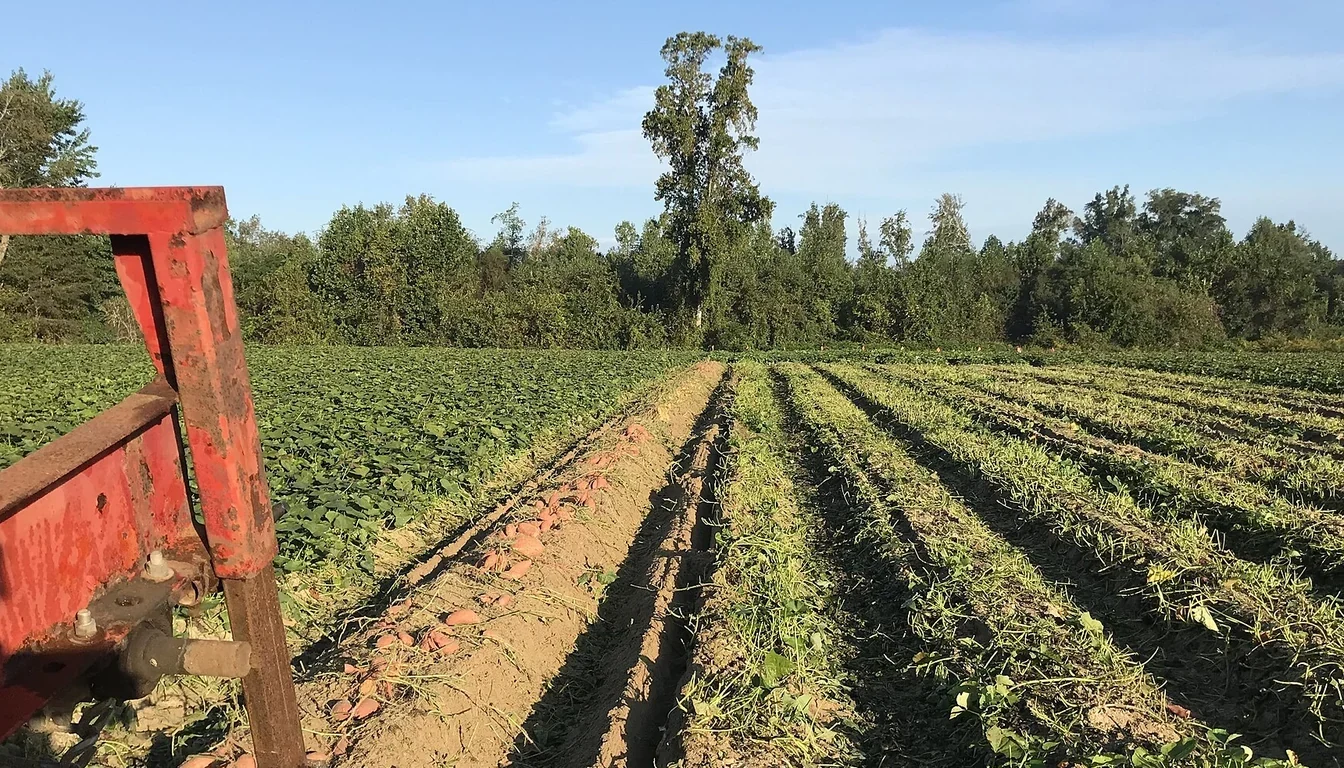
A survey confirms what you actually own and where the fence should be. The plat gets recorded, $21 a sheet. A new well has to be tested for bacteria and chemicals within 30 days of completion through the local health department or a state-certified lab. An existing well isn’t required by state law to be tested at a sale, which is exactly why you should test it anyway.
Then the septic permit, which is the one that bites. Confirm the permit and its rated bedroom count with the Nash County health department before you fall in love with the listing. A four-bedroom house on a three-bedroom permit is a three-bedroom house for resale and for appraisal purposes, no matter what the sign in the yard says. Repairs and replacement are yours, because there’s no utility to call.
7. The first-year costs nobody quotes
Association dues on newer subdivisions, plus a capital contribution some associations collect at closing. A propane tank lease and the first fill. Utility deposits and connection fees. Connected addresses inside Rocky Mount sit on one municipal bill covering electricity, water and sewer, since the city runs its own utility through Energy Resources for more than 29,000 electric customers. Outside the city limits you’re typically on a co-op or an investor-owned utility, with separate deposits and separate outage patterns.
And flood insurance, if the parcel is near the Tar River. Federal flood policies carry a standard 30-day waiting period. That waiting period is waived when the policy is required for your loan closing, but the waiver only applies if the application and premium are in on or before the closing date. If you want coverage beyond what the lender requires, apply early rather than the week you move in.
What you don’t pay
The state excise tax on the deed, $1 per $500 of price, is the seller’s cost by statute. Seven North Carolina counties add a 1% local land transfer tax on top. Nash County is not one of them, so the deed tax here stays at the state rate.
Sellers also typically cover the deed preparation and their own attorney. Read the cost allocation paragraph anyway. Custom and contract are two different things, and the paragraph wins.
Bring the number you were quoted
Add the seven items above and you get a cash-to-close figure that is knowable a week before you sign, and confirmable against the settlement statement the day before. If your lender’s estimate and the attorney’s statement disagree by more than a rounding error, ask why before the wire goes out.
If you want a straight read on what a specific Nash County property is likely to cost you at the table, call or text Travis at (252) 632-8681. He does this every week, on both sides of the county line.
Keep reading
Where Nash County Buyers Land, Town by Town
Rocky Mount's west side, Nashville's square, Spring Hope's depot blocks, and the 1908 towns on US-264: how Nash County's places differ for buyers.
7 Flood-Insurance Mistakes Tar River Buyers Shouldn't Make
Flood insurance on the Tar River: the 30-day wait, the $250,000 cap, contents left off the policy, and a discount Rocky Mount buyers never claim.
Nash County Closing Statement: Reading Every Line
A Nash County closing statement, line by line: excise tax, recording fees, prorated property taxes, and the lines worth questioning before you sign.