
Nash County's Namesake: Francis Nash and the Tar River

In this post
Standing on the courthouse square in Nashville on a weekday morning, you can hear the flag snapping over the Nash County Courthouse and smell coffee drifting from the diner a block off the square. It’s a modest scene: red brick, shade trees, a few parked trucks. But the names around you are carrying 250 years of story. Nashville, North Carolina, shares its name with Nashville, Tennessee, and both towns honor the same man: Francis Nash, a brigadier general from Hillsborough who died in the Revolutionary War in the very year this county was born.
The general behind the name
Francis Nash (c. 1742-1777) was a lawyer and merchant before the war, then colonel of the First North Carolina Regiment and later a brigadier general in the Continental Army. He was mortally wounded at the Battle of Germantown on October 4, 1777, and died on October 7.1 Nash County was formed that same year from the western part of Edgecombe County, all of it west of the Falls of the Tar River, and named in his honor.2 The county and the general share a birth year, which is the kind of coincidence that stays with you.
Nash was one of ten Patriot generals who died from wounds received in combat during the war. His brother Abner Nash served as governor of North Carolina.1 When you see “Nash” on a highway sign, you’re reading a real person’s name, not a marketing department’s.
Nashville: the county seat
The town that would become the seat was settled in 1780, three years after the county was formed, and chartered in 1815.3 The first session of the county court met on April 1, 1778, in the home of Micajah Thomas; after a stint in a temporary building at Peach Tree, a permanent courthouse went up in Nashville in 1784.4 County government has been the town’s anchor ever since, and that’s not trivia for a buyer: a county seat means steady public-sector employment and county offices you can reach in minutes instead of a trip.
The 2020 census counted 5,632 people in Nashville, making it the largest municipality entirely inside Nash County, with no county-line asterisks.5
The Tar River and the Tar Heel name
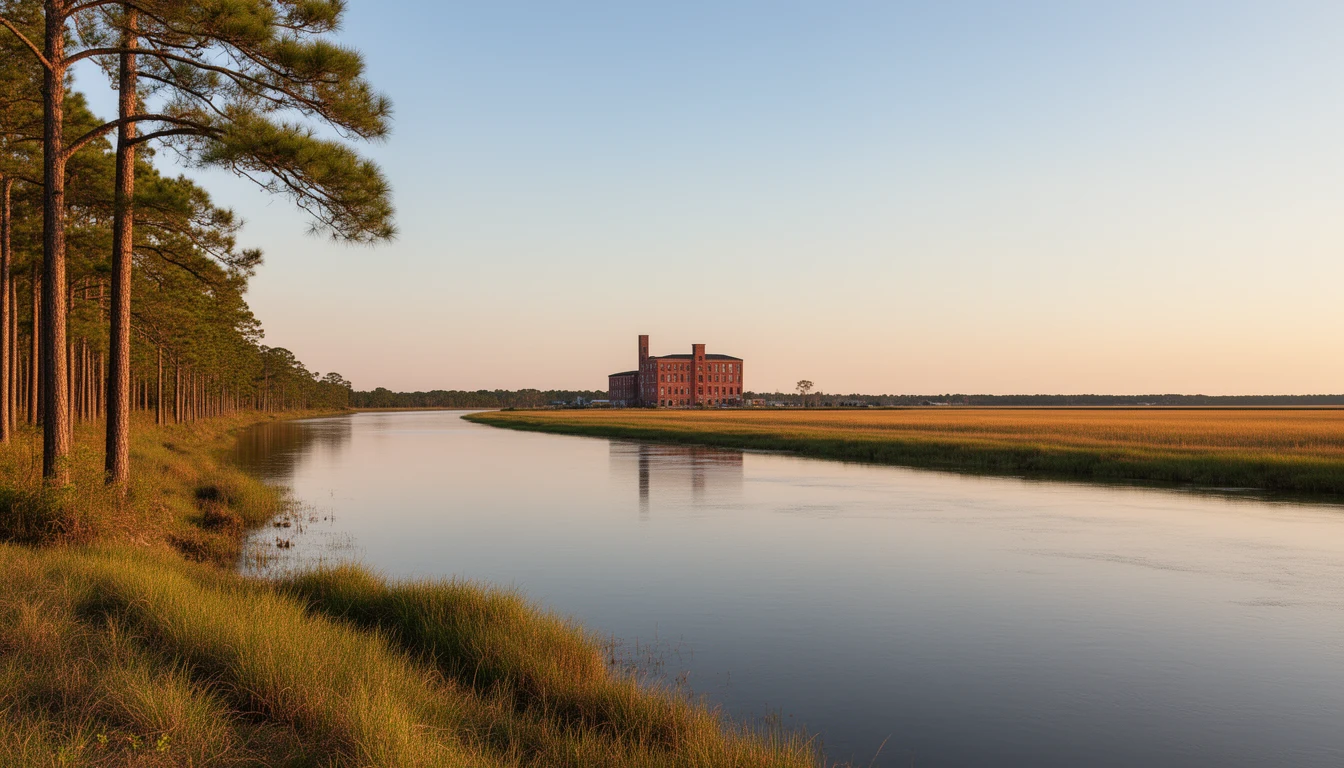
The river that runs through the county gave the whole state its nickname. North Carolina’s naval stores industry, tar, pitch, and turpentine boiled from the sap of longleaf pines, was one of the colony’s biggest exports from the 1720s onward, and the Tar Heel nickname traces straight to that economy.6 The workers who hauled tar through the pine woods were the original Tar Heels.
One legend, told for generations, has British troops under Cornwallis fording the Tar River between Rocky Mount and Battleboro and finding tar dumped in the stream to slow them down; they came out the other side with black feet.7 It’s a story more than a documented fact, and the honest version is that the industry, not any single ambush, is why the name stuck. Either way, it happened in this county’s stretch of river.
What a name means when you buy here
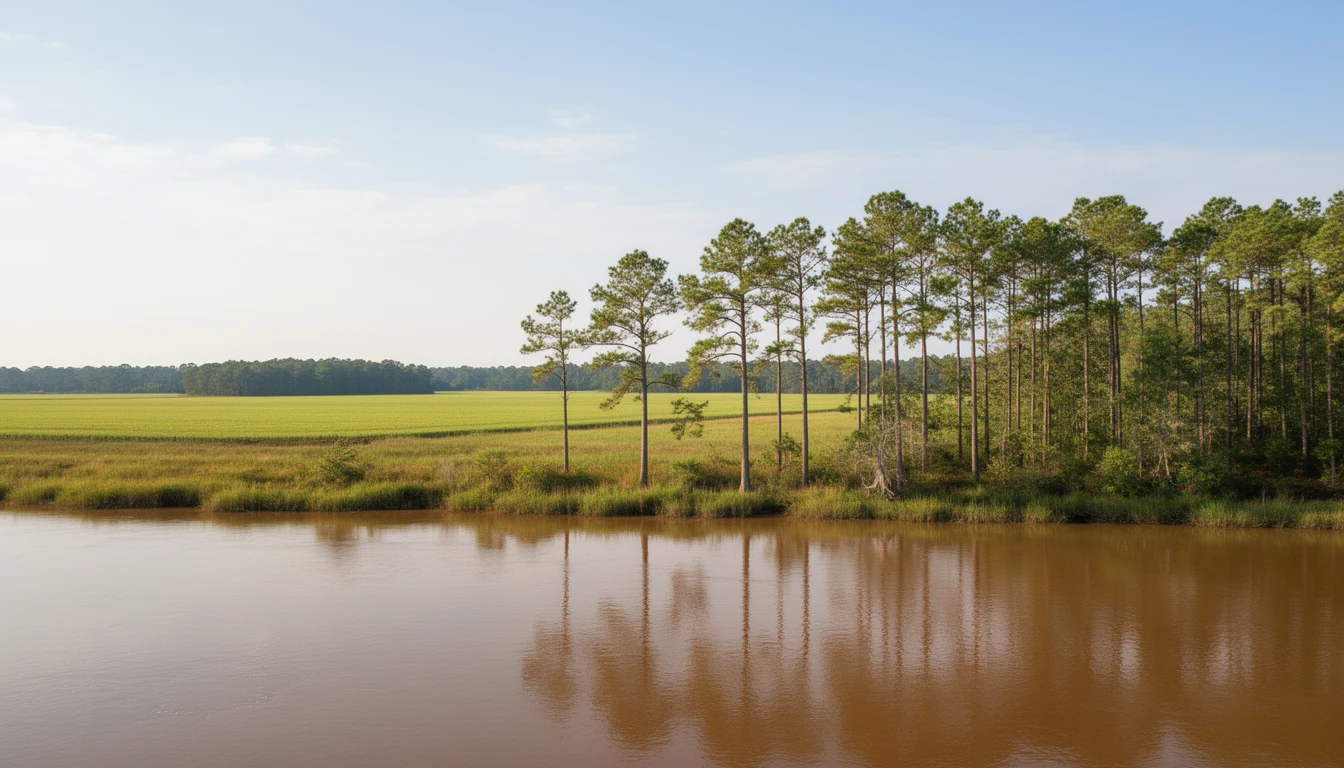
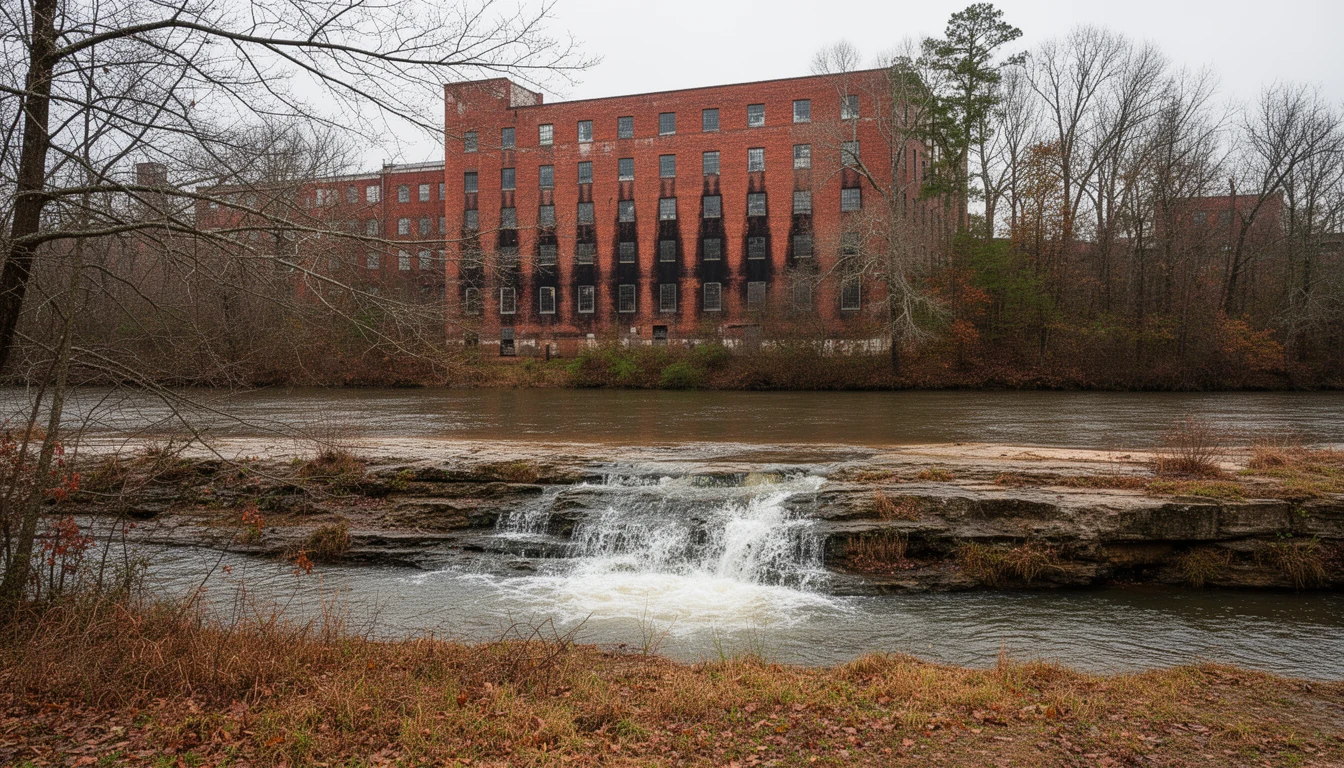
Names like these are worth more than trivia because they tell you what kind of place you’re buying into. The courthouse square, the red brick of Rocky Mount Mills, the millworker houses along Falls Road: this is a county that was settled, named, and built around a river and a trade, and that identity still shows up in today’s listings and street names.
The honest trade-off is the small-town math. You get a county-seat pace, a courthouse square with actual civic life, and some of the lowest carrying costs in the region, but you also get the drive: specialty retail, big-box shopping, and most specialist healthcare mean a trip to Rocky Mount or a longer run to Raleigh on US-64. And a county whose identity was set in the 1770s holds its old places dear, which means renovations and new builds get looked at closely.
That’s the deal, and it’s a fair one. The name on the welcome sign is a real general, the river under the bridge is why the whole state is called Tar Heel, and the town at the center of it all has been the county’s seat for more than two centuries.
The Bottom Line
Nash County is named for a man who gave his life in 1777, the same year the county was formed. Nashville is the seat that carries his name, and the Tar River is where a state nickname was born. When you buy here, you’re buying into a place with a story it can actually tell, and that’s rarer than it sounds.
Footnotes
-
NC DNCR, Francis Nash (G-10) historical marker: https://www.dncr.nc.gov/blog/2023/12/18/francis-nash-g-10 ↩ ↩2
-
NCpedia, Nash County: https://www.ncpedia.org/geography/nash ↩
-
Nash County NC, County History: https://nashcountync.gov/98/County-History ↩
-
Wikipedia, Nash County, North Carolina: https://en.wikipedia.org/wiki/Nash_County,_North_Carolina ↩
-
Wikipedia, Nashville, North Carolina: https://en.wikipedia.org/wiki/Nashville,_North_Carolina ↩
-
NCpedia, Naval Stores: https://www.ncpedia.org/naval-stores ↩
-
Wikipedia, Tar Heel: https://en.wikipedia.org/wiki/Tar_Heel ↩
Keep reading
Buc-ee's Eyes 34 Acres Off I-95 in Rocky Mount
Buc-ee's is under contract for 34 acres at the I-95 and Halifax Road interchange in Rocky Mount, with a planning board rezoning hearing set for Nov. 10.
11 Ways Nash County History Surfaces in Today's Listings
Mill village houses, railroad streets, and a county line that runs under the tracks: how Nash County history shows up in the listings you tour.
7 Flood-Insurance Mistakes Tar River Buyers Shouldn't Make
Flood insurance on the Tar River: the 30-day wait, the $250,000 cap, contents left off the policy, and a discount Rocky Mount buyers never claim.